

Welcome to our Jersey Gypsy column, where our resident travel reporter, Valentina, roams the globe in pursuit of stories.
I had always been drawn to the idea of a Baltic road trip, thanks to glowing recommendations from fellow travelers who had passed through the Baltic states and couldn’t stop talking about them.
When the opportunity to explore Estonia, Latvia and Lithuania by car presented itself, I took it as a sign.
What followed was a week-long, self-drive Baltic tour filled with historic city centers, coastal views, quiet nature stops and jaw-dropping architecture. I mapped out a Baltic road trip itinerary starting in Tallinn and driving south, eventually winding my way to Trakai. Each stop was filled with stories, flavor and a whole lot of beauty.
Take an Estonia, Latvia, Lithuania Road Trip
Driving in Estonia, Latvia and Lithuania is surprisingly easy, with well-maintained highways and stunning views. For anyone considering a Baltic countries travel by car itinerary, this is one of Europe’s most rewarding regions to explore.
The area is often overlooked in favor of more famous destinations like France or Italy, but the Baltic states offer travelers a unique kind of magic.
Why Choose a Baltic Coast Road Trip
Here, centuries of history meet post-Soviet renewal, as coastal forests give way to medieval cities, and local traditions flourish alongside experimental cuisine.
You don’t need to rush. The pace here invites slow, intentional travel and the variety of landscapes and cultural experiences make it perfect for a scenic route through the Baltics.
Estonia: Your First Baltic Coast Road Trip Stop
Estonia immediately enchanted me with its coastal air and its blend of medieval and modern elements.
First Stop: Tallinn
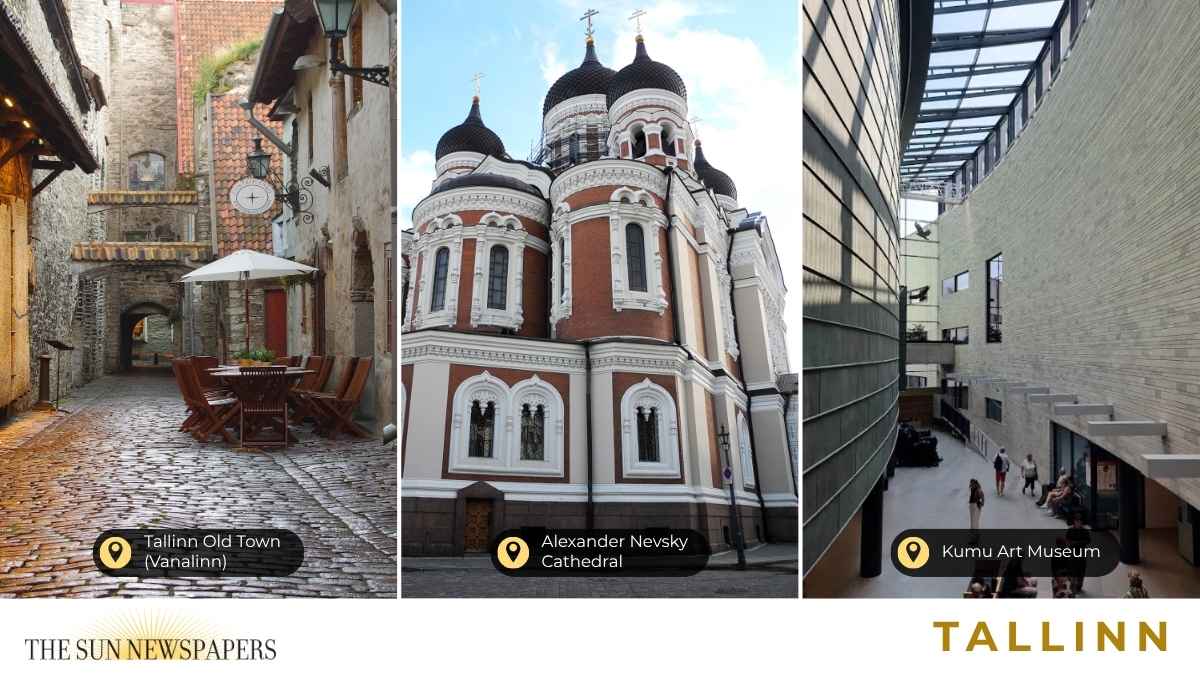
Among the scenic routes the Baltics offer, Tallinn is Estonia’s energetic capital, where cobblestone streets twist through a beautifully preserved medieval Old Town. At the same time, sleek coffee shops, museums and galleries give it a modern pulse.
There’s a sense of imagination here, from its playful restaurant concepts to art installations tucked into unexpected corners. I couldn’t have picked a better place to begin my Baltic road trip itinerary.
Must-See Attractions
Tallinn Old Town (Vanalinn)
This UNESCO World Heritage site is a living museum, featuring winding alleyways, merchant houses and fortress towers. The medieval architecture is remarkably intact, making it easy to imagine what life was like centuries ago.
Climb up to Toompea Hill for sweeping city views and pop into one of the many cozy cafés for a break from sightseeing.
Alexander Nevsky Cathedral
Rising majestically above Toompea Hill, this Orthodox cathedral is a visual marvel. Its onion domes and detailed mosaics create a striking contrast against the sky.
Step inside to experience the solemn beauty of the iconostasis and the scent of incense lingering in the air.
Kumu Art Museum
A short drive from the Old Town, Kumu is Estonia’s premier contemporary art museum. Its sleek, multi-level design is a work of art in itself, offering a range of pieces from Soviet-era to experimental installations.
It’s a great way to understand Estonia’s creative pulse beyond its historical roots.
Stay the Night at Mövenpick Hotel
Mövenpick was a luxurious and convenient stay with everything I could ask for in a city hotel. The walk to Old Town took just 15 minutes, and the rooftop restaurant had a view worth lingering over.
The spa facilities were top-tier, with a relaxing sauna and steam room. Reception staff went above and beyond, and breakfast felt more like a curated tasting experience than a buffet.
Dine at Restaurant Rataskaevu 16
Dinner here was one of those meals you want to relive again and again. We were lucky to grab a patio seat and were quickly offered blankets to ward off the cool night air.
The elk and beef dishes were exquisitely cooked, and desserts, such as the bread pudding and chocolate cake, had us scraping every last bite.
The atmosphere blended intimacy with charm, and the flavors were an adventure in themselves. This is a restaurant that deserves every bit of its acclaim.
Second Stop: Tartu
Tartu has a youthful, academic energy thanks to the university, but it also feels quietly wise, filled with quiet corners and stately architecture.
Public art peeks around every corner, and the air feels lighter here, perhaps because it’s a city driven by ideas and curiosity.
Must-See Attractions
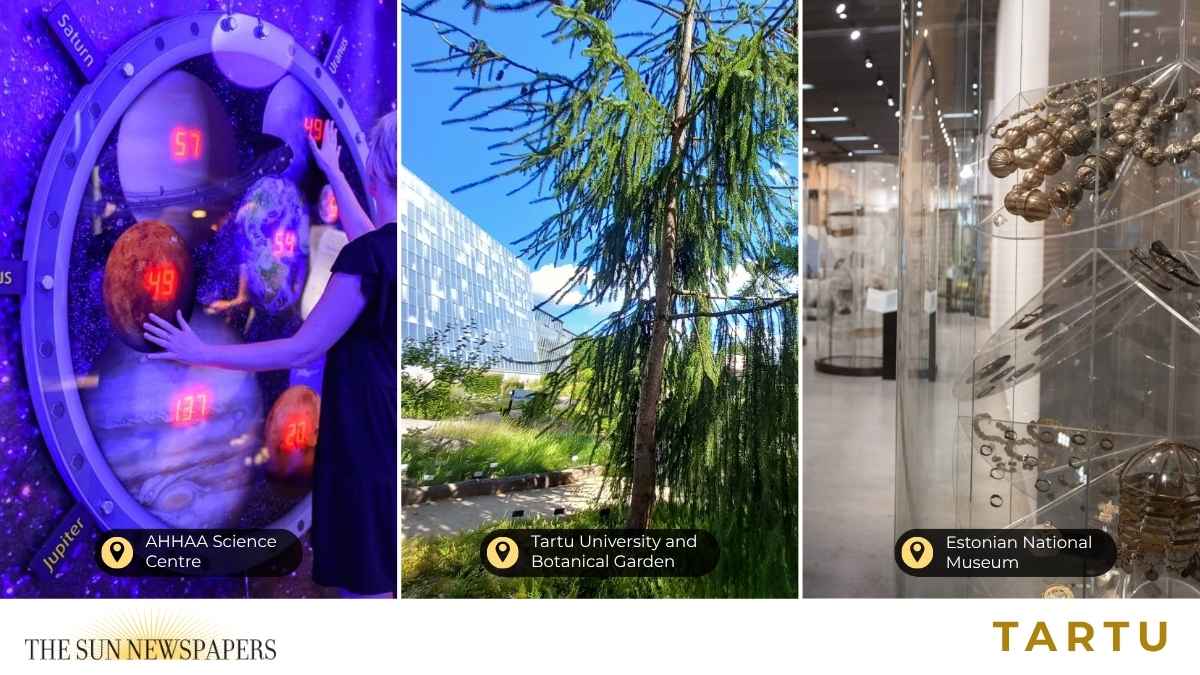
AHHAA Science Centre
This is a full-on playground for curious minds. The hands-on exhibits range from engineering challenges to biology labs and light installations. It made me feel like a scientist in training, and I easily spent hours there.
Tartu University and Botanical Garden
Established in the 1600s, the university is the soul of the city. The Botanical Garden offers a peaceful pause with its greenhouses, rare plant collections and shaded walking paths. It’s especially lovely in the late afternoon.
Estonian National Museum
This museum combines sleek architecture with thoughtful storytelling. Its exhibits span centuries of Estonian culture, with a strong emphasis on identity and folklore.
It’s a must for anyone wanting to delve beneath the surface of modern Estonia.
Stay the Night at Lydia Hotel 4 Superior
This boutique hotel had everything I needed, from a serene spa to a rooftop deck overlooking the town. It’s central enough to reach everything on foot, yet quiet enough to feel tucked away.
Plus, the breakfast included fresh, à la carte options and an excellent banana bread I still think about.
Dine at La Dolce Vita
We arrived late without a reservation and were surprised to find a space available. The staff handled it beautifully and seated us with a smile.
The pizza was thin, blistered and generous, while the pasta was authentically Italian. The wine and dessert selection rounded out the evening, and the entire experience had an effortless warmth to it.
Third Stop: Pärnu
Pärnu is Estonia’s summer capital and feels like a beach town with a Baltic twist. There’s a relaxed, breezy atmosphere in the air, making it perfect for wandering, dining outdoors or stretching out in the sand.
Even during the shoulder season, the charm holds strong. I was surprised by the mix of beachy simplicity and historical detail, both of which make Pärnu a must on my Baltic itinerary.
Must-See Attractions
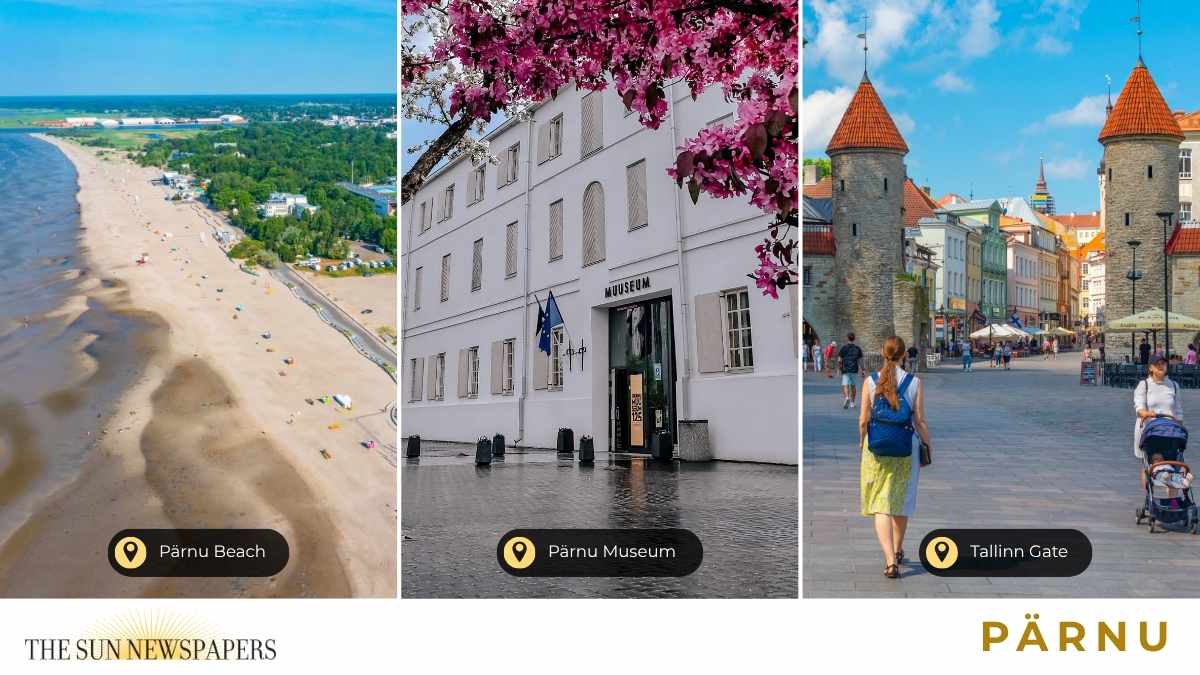
Pärnu Beach
The long sandy stretch is ideal for walking, sunbathing or watching the sailboats. Its shallow waters make it a family-friendly destination, but there’s enough space for everyone to enjoy.
Don’t miss the sunset; it turns the whole sky a warm, glowing pink.
Pärnu Museum
This museum surprised me with its depth, showcasing Pärnu’s history from prehistoric settlements to modern culture. Interactive exhibits make it engaging for all ages, and I appreciated how well it tied into what I was seeing in town.
Tallinn Gate
One of the last surviving parts of the 17th-century city wall, this historical gate is a quick but worthwhile stop. It’s beautifully preserved, giving a tangible sense of what the town once was.
Stay the Night at Villa Ammende
This grand Art Nouveau villa made me feel like I had stepped back into another time. The entire experience felt regal without being fussy, and the rooms are beautifully restored, with soft bedding and vintage touches.
Breakfast was a highlight, full of local ingredients and thoughtful service. The location made it easy to walk to the beach and downtown.
Dine at Supelsaksad
There’s a reason locals flock here. The goat cheese and beetroot pie was the standout dish for me, followed closely by the tomato soup and grilled chicken skewers.
Even the drinks felt curated, and I tried a Latvian malt beverage that was unexpectedly delicious.
The service was warm and attentive, and I left feeling completely satisfied.
Latvia: Next on the Baltic Road Trip Itinerary
Crossing into Latvia, the scenery gently shifted. Forests gave way to valleys and medieval towns with cobbled charm.
First Stop: Cēsis
Tucked into Gauja National Park, Cēsis is a place that wears its history proudly but still buzzes with life. The town center is compact and walkable, with quaint cafés, art shops and crumbling castle walls around every corner.
You get the sense that people here are deeply connected to their roots and ready to share them.
Must-See Attractions
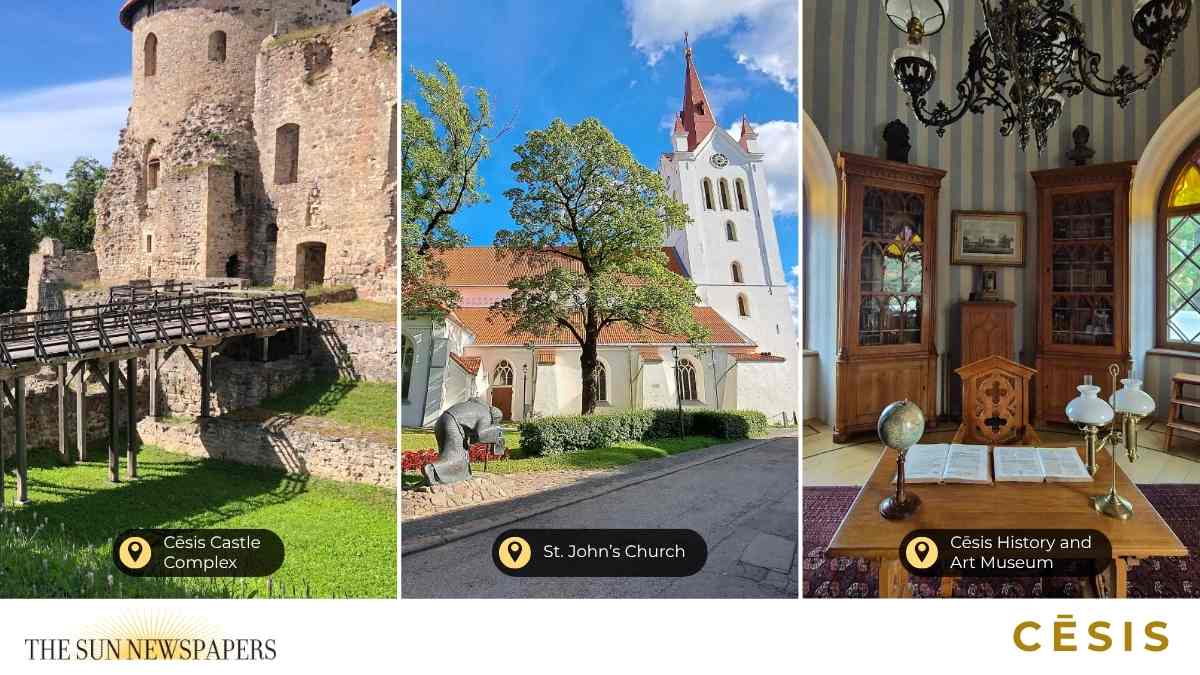
Cēsis Castle Complex
The old castle ruins sit beside the newer 18th-century manor, creating a layered timeline of Latvian nobility. With lantern-lit towers and winding staircases, it’s easy to feel transported.
The grounds also host cultural events and festivals throughout the year.
St. John’s Church
One of the oldest Gothic churches in Latvia, this beautiful structure offers a moment of quiet reflection. Its soaring arches and rich acoustics make it a serene stop, whether you’re admiring the altar or simply soaking in the stillness.
Cēsis History and Art Museum
Housed inside the newer part of the castle complex, this museum dives into local heritage with a well-curated blend of artwork, folk traditions and regional narratives. The temporary exhibitions were awe-inspiring when I visited.
Stay the Night at Villa Santa Hotel
This boutique hotel felt like a forest retreat wrapped in elegance.
Our room overlooked the pines, and I couldn’t stop admiring the underfloor heating in the bathroom. Every detail was thoughtfully designed, from the breakfast timing system to the spa tucked quietly into the property.
Dine at Zaļa Zāle
Set slightly off the main drag, this burger joint felt like a secret hangout for locals. The fries were thick and golden, the veggie burger options were solid and the staff was refreshingly upbeat.
It had the easy, communal vibe that every road trip through the Baltics dining experience hopes for.
Second Stop: Sigulda
Sigulda sits like a fairytale town scattered across green hills and castle ruins.
Known as the ‘Switzerland of Latvia,’ it surprised me with the number of sights to see within the city itself. Even with the popularity of nearby Gauja National Park, the town offers depth and charm.
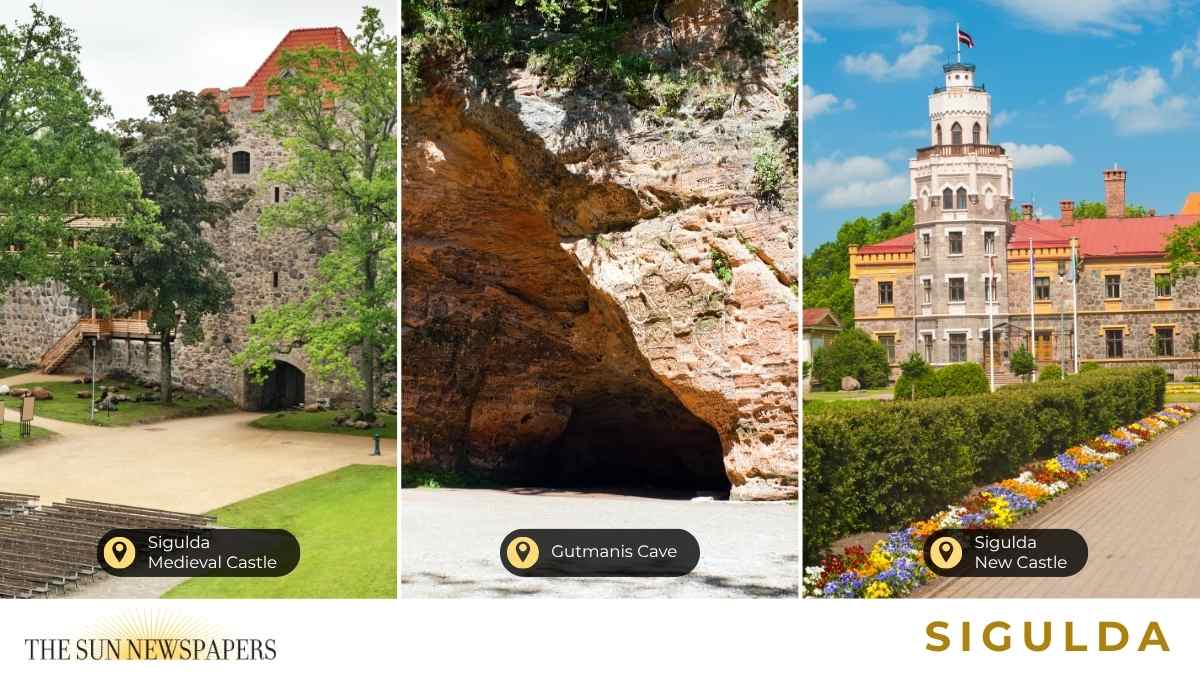
Must-See Attractions
Sigulda Medieval Castle
Initially built in the 13th century, this partially restored fortress gives sweeping views of the Gauja River and is steeped in history. You can wander the ramparts and towers or catch an open-air performance in the summer.
Even with modern additions, it retains its raw, ancient presence.
Gutmanis Cave
While technically a natural formation, this sandstone cave is right in town and wrapped in legend. Locals will tell you about the Rose of Turaida and the stories etched into the stone walls.
It’s a leisurely stroll and makes for a quick but meaningful stop.
Sigulda New Castle
Despite its name, this 19th-century manor is an architectural jewel. Surrounded by manicured grounds, the building now houses artists and workshops where you can browse handmade goods or admire the views from its expansive terraces.
Stay the Night at Viesnīca un Restorāns Aparjods
This countryside-style hotel was charming from the moment I pulled into the driveway. The wooden buildings, lush landscaping and outdoor sculptures gave it a rustic elegance.
My room was spacious, quiet and comfortable.
Dine at Kungu Rija
A cozy log-cabin-style restaurant, Kungu Rija won me over with its welcoming staff and rich Latvian comfort food.
We shared garlic bread and grey peas with bacon to start, and I followed with roasted pork and a tangy cabbage slaw. Everything was flavorful, beautifully plated and delivered with sincere hospitality.
Third Stop: Riga
Arriving in Riga was like turning the page to a bold new chapter. The capital bursts with contrasts: Art Nouveau façades, bustling markets, edgy creative spaces and a timeless old town.
The city felt cosmopolitan and deeply grounded all at once. With three days here, I was able to dive deeper and let the city reveal itself slowly.
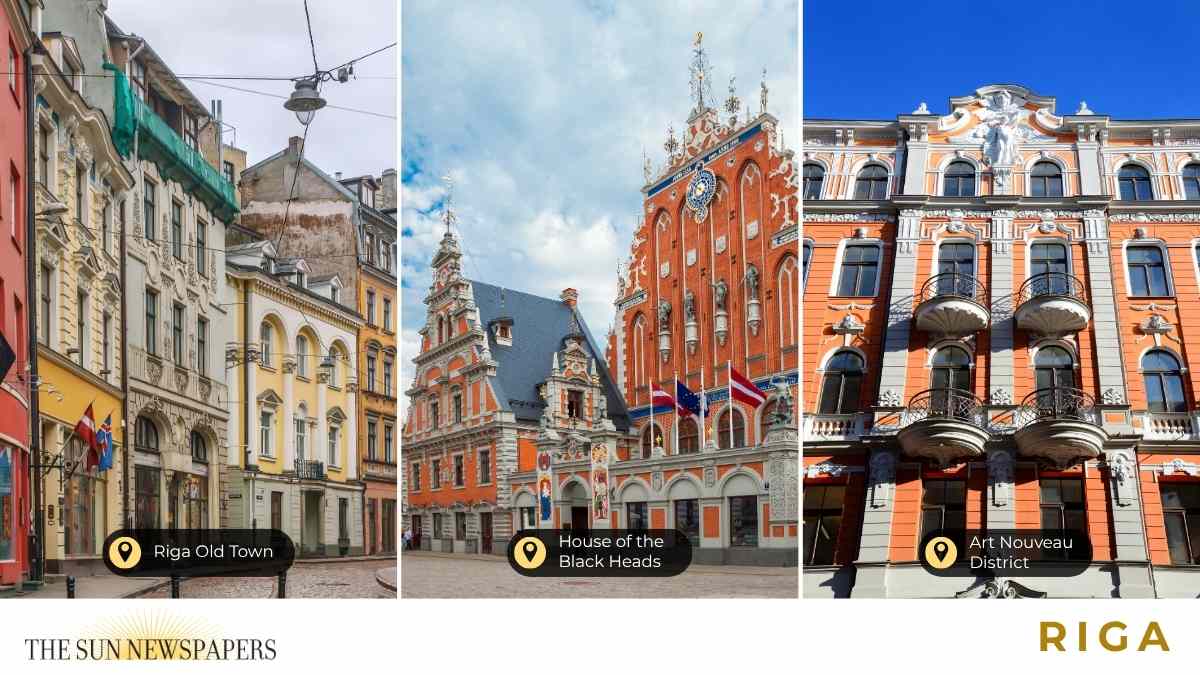
Must-See Attractions
Riga Old Town
One of the best stops in the Baltics, a walk through Riga’s historic center is a feast for the senses. Cobblestone alleys lead to open squares, 800-year-old churches and rows of pastel-colored houses.
There’s live music in the air, galleries tucked into side streets and just enough people to keep things lively without feeling rushed.
House of the Black Heads
This striking building dominates the square with its ornate red-brick façade and detailed sculptures. Originally a guild hall, it has been carefully rebuilt and now houses exhibitions. It’s one of those places that captures the spirit of Riga’s trading history and pride.
Art Nouveau District
Just a 10-minute walk from the center, this neighborhood holds one of the largest collections of Art Nouveau architecture in the world. The façades are playful, whimsical and meticulously detailed.
Bring your camera and look up often, as the gargoyles and flowing figures are unforgettable.
Stay the Night at Grand Poet Hotel
This hotel was everything I wanted after a long drive: stylish, quiet and full of thoughtful touches. My room overlooked Bastejkalna Park, and the oversized windows let in soft morning light.
The spa was clean and modern, with a saltwater pool and well-functioning sauna. The breakfast buffet was a highlight, with a mix of local specialties and international staples.
Dine at Le Dome Restaurant
This tucked-away gem in the heart of Old Town offered a fine dining experience that remained grounded in Latvian tradition.
The oysters were impossibly fresh, and my turbot was perfectly cooked with delicate seasoning and a citrus finish. The tasting menu came with a story behind each course, and the wine pairings were smartly chosen.
Lithuania: A Baltic States Travel Guide Must-See
By the time I crossed into Lithuania, I was in the groove of the road trip. Every stop so far had offered something different, and I was curious how Lithuania would round out the entire experience.
First Stop: Kaunas
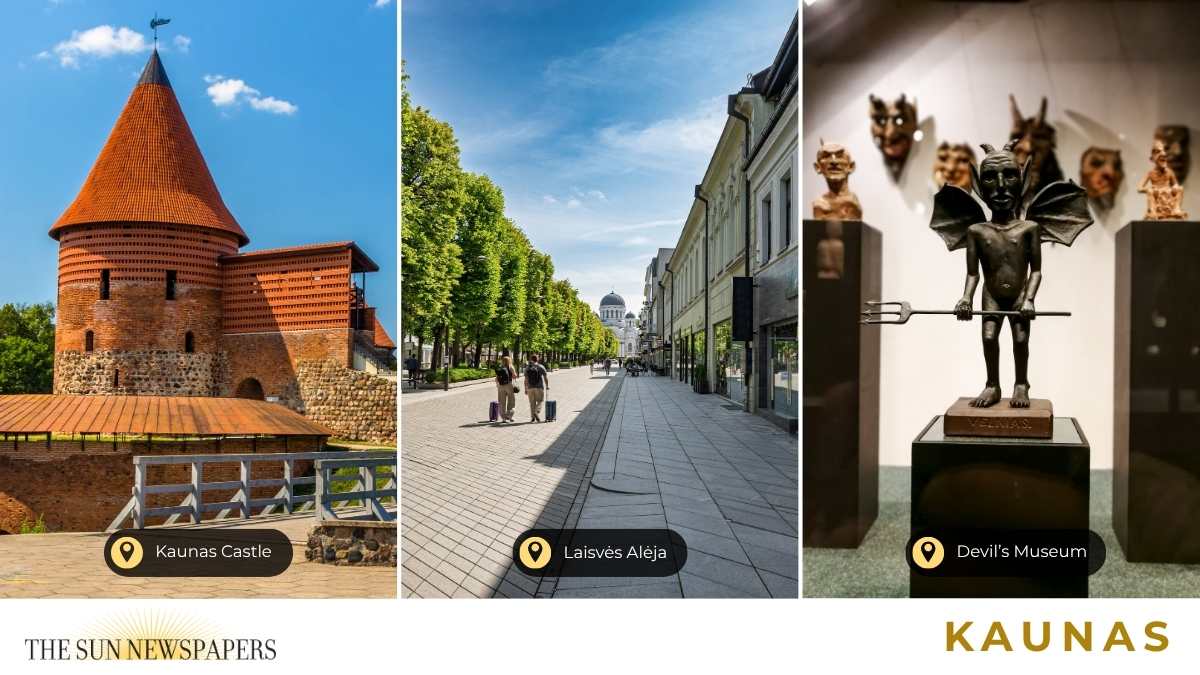
Kaunas is Lithuania’s second-largest city, but it feels more intimate than Vilnius. There’s a creative energy pulsing through its cafés, galleries and public spaces.
The architecture combines Gothic, interwar and modern design, and the city takes pride in its role as a cultural capital.
Must-See Attractions
Kaunas Castle
This red-brick 14th-century castle is one of the oldest in Lithuania, situated at the confluence of the Nemunas and Neris rivers. The restored tower and courtyard host exhibitions and events, making it the perfect place to begin your exploration of Kaunas’ rich history.
Laisvės Alėja
This pedestrian boulevard runs nearly a mile through the city, flanked by shops, restaurants and street performers. I loved strolling here in the early evening; it’s where locals go to unwind, offering an authentic slice of daily life.
Devil’s Museum
This quirky and fascinating museum is home to thousands of devil figurines from around the world. It’s playful, odd and unexpectedly philosophical.
If you enjoy offbeat attractions with cultural depth, this is a must.
Stay the Night at Berman House
This stylish boutique hotel felt both historic and fresh. My top-floor room had exposed brick, modern skylights and a giant soaking tub that felt like a spa experience in itself. Breakfast was delivered to my room the night before, which gave my morning a quiet, private feel.
The location, just outside Old Town, was ideal, being close enough to walk yet far enough for peace and quiet.
Dine at DIA
Tucked into a quiet corner of the city, DIA blew me away with its attention to detail.
The tuna steak melted in my mouth, and the house-made bread and butter were better than some full meals I’ve had elsewhere.
I dined outside on a soft-lit terrace and left feeling completely satisfied, both culinarily and emotionally.
Second Stop: Vilnius
Vilnius is a city of contrasts with its romantic baroque churches beside Soviet-era blocks, indie bookshops tucked into ancient courtyards, and a skyline crowned with church towers.
It feels intellectual, artistic and just a little rebellious. The city invites you to slow down and get lost, and that’s exactly what I did.
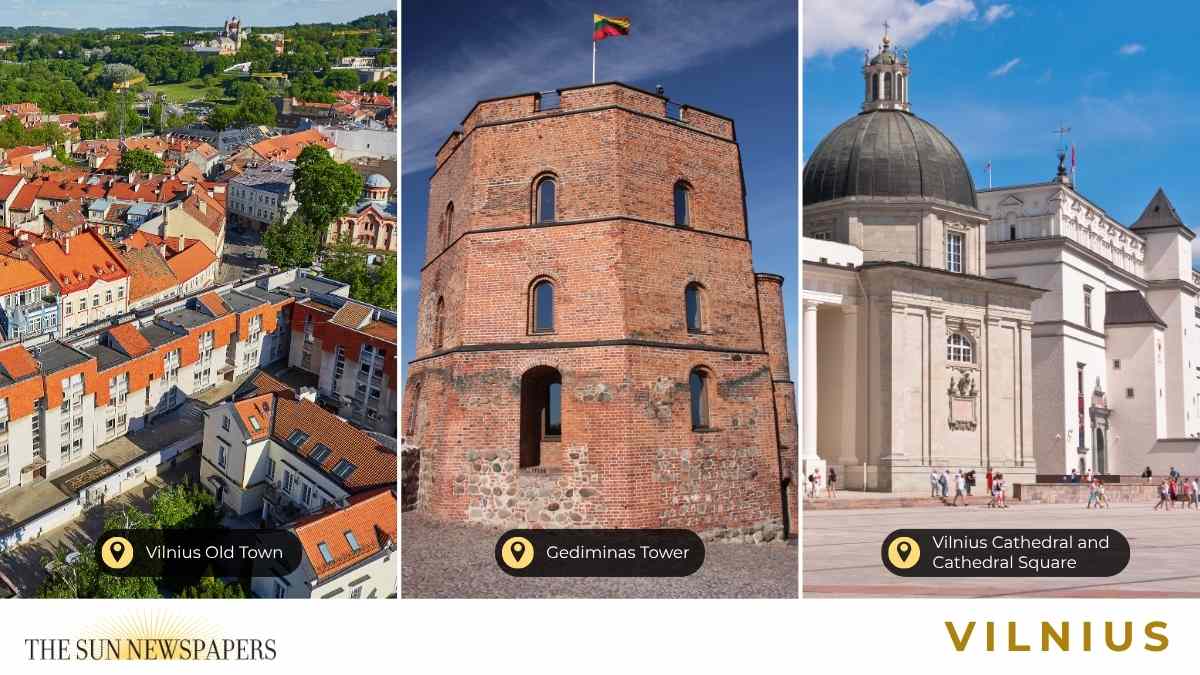
Must-See Attractions
Vilnius Old Town
One of the largest surviving medieval old towns in Europe, this district is characterized by winding streets, colorful exteriors and hidden courtyards. Each turn brought something new: a candlelit chapel, an artisan shop and even a street violinist playing a haunting melody.
Gediminas Tower
Perched on a hill overlooking the city, this iconic red-brick tower is a symbol of Lithuanian independence. The short climb rewards you with panoramic views of the rooftops and church spires below. The small museum inside adds context to its historic importance.
Vilnius Cathedral and Cathedral Square
This neoclassical masterpiece anchors the city with grace and gravity. Inside, the whitewashed interior feels open and sacred. Outside, the square is a constant hum of life; couples walking hand in hand, kids chasing pigeons and locals gathering before heading out to dinner.
Stay the Night at Grand Hotel Vilnius
This was the most elegant hotel I stayed in during the trip. Located right on Cathedral Square, the building was grand without feeling overwhelming.
The spa and indoor pool made for a perfect post-sightseeing unwind, and the breakfast buffet included everything from local cheeses to honeycomb and fresh pastries. Every corner of the hotel was soaked in old-world charm.
Dine at Ertlio Namas
This wasn’t just a dinner; it was a culinary journey through Lithuanian history. Each course came with a story, linking the dish to a specific era and tradition.
We sampled a noble-inspired venison dish, a herring starter with rye and a barley dessert that surprised me with its elegance. Wine pairings were thoughtfully chosen, adding a fresh dimension to each bite.
Third Stop: Trakai
Just a short drive from Vilnius, Trakai felt like the perfect conclusion to my Baltic road trip. The town is built around a series of lakes and framed by quiet woods, offering a more relaxed, lakeside atmosphere.
It’s slower here, and that slowness feels like an invitation to reflect.
Must-See Attractions
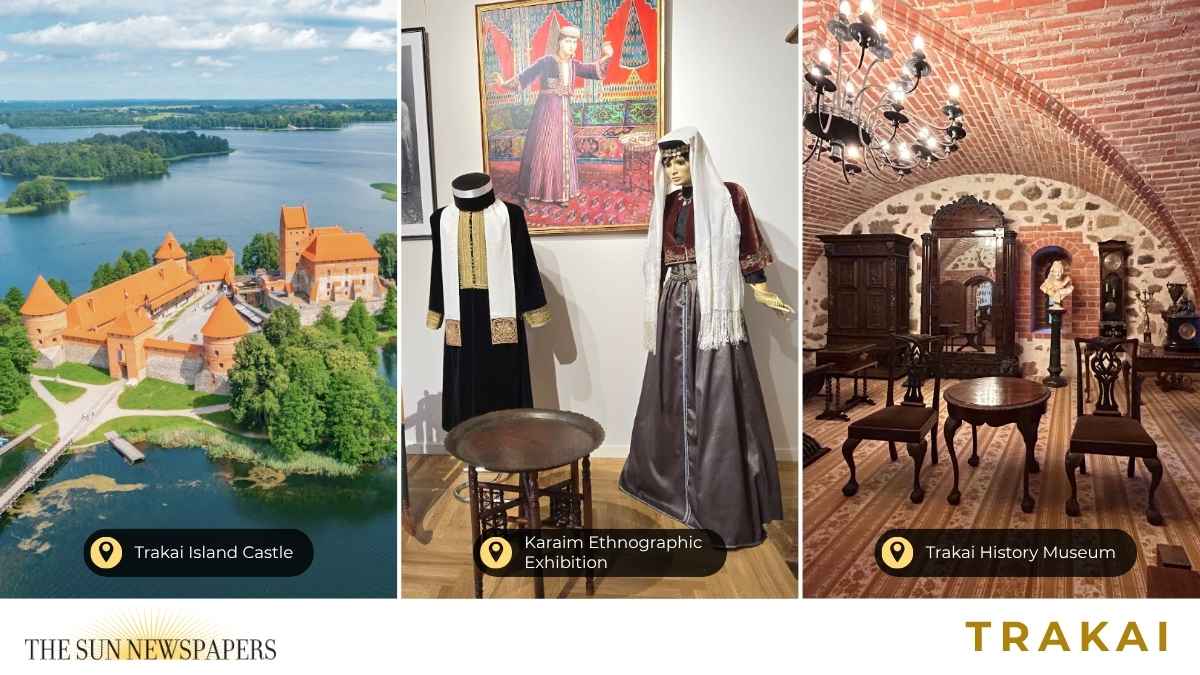
Trakai Island Castle
Sitting like a jewel in the center of Lake Galvė, this 14th-century castle is the stuff of fairytales. You can walk the long wooden bridge to its red-brick towers and spend hours exploring its museum and medieval halls. The reflections on the water are stunning at sunset.
Karaim Ethnographic Exhibition
Trakai is home to the Karaim minority, and this small museum offers an insightful look at their unique history, language and traditions. The wooden buildings and personal stories inside make it one of the more heartfelt stops in the region.
Trakai History Museum
Located within the castle, this museum showcases a diverse collection of artifacts, including medieval weapons and local treasures. It adds a great deal of context to the castle and the people who lived in and around it.
The exhibits are well presented, and the setting couldn’t be more atmospheric.
Stay the Night at Esperanza Resort & Spa
This lakeside resort provided a luxurious and tranquil finale to the journey. Tucked into a forest, the property felt secluded yet full of thoughtful amenities, including a spa, indoor pool, lake access and even an aviary.
My room had panoramic views of the lake, and the food at each of the on-site restaurants was outstanding. It felt like a retreat from the world, and I left more relaxed than I’d been in months.
Dine at Blynų Namai
This humble pancake house stole my heart.
The potato pancakes were perfectly crispy, the handmade dumplings were dense and satisfying and the sour cream was rich and tangy.
I sat by the window with a view of Lake Totoriškės and didn’t want the meal to end. The staff were kind, the vibe was homey and the food hit the spot.
FAQ for Baltic Countries Travel by Car
Ready to start planning your Baltic road trip? Here are some travel tips for Baltic countries!
Do I Need an International Driving Permit?
If your license is issued within the EU and in a Latin script, you likely don’t need one. If you are from outside the EU, such as the U.S. or Canada, it’s always smart to carry an international permit as a backup, especially for rental purposes.
What Are the Road Conditions Like?
Highways are well-maintained and signage is clear, typically written in both local languages and English. Rural roads can be narrower, but I never felt unsafe or lost. GPS worked well throughout, though I recommend downloading offline maps just in case.
Should I Rent a Car or Take Trains?
While trains do exist, they’re slower and less direct. A self-drive Baltic tour gives you ultimate freedom, especially for reaching small towns and hidden gems Estonia, Latvia and Lithuania have to offer.
Embark on Your Own Baltic Road Trip
Each country, each city, even each café held a unique rhythm, and driving allowed me to experience them all at my own pace. The Baltic coast road trip opened my eyes to a part of Europe that is both deeply rooted and quietly evolving.
If you’re looking for a travel experience that blends culture, history and nature without the crowds, a Baltic road trip is calling.