


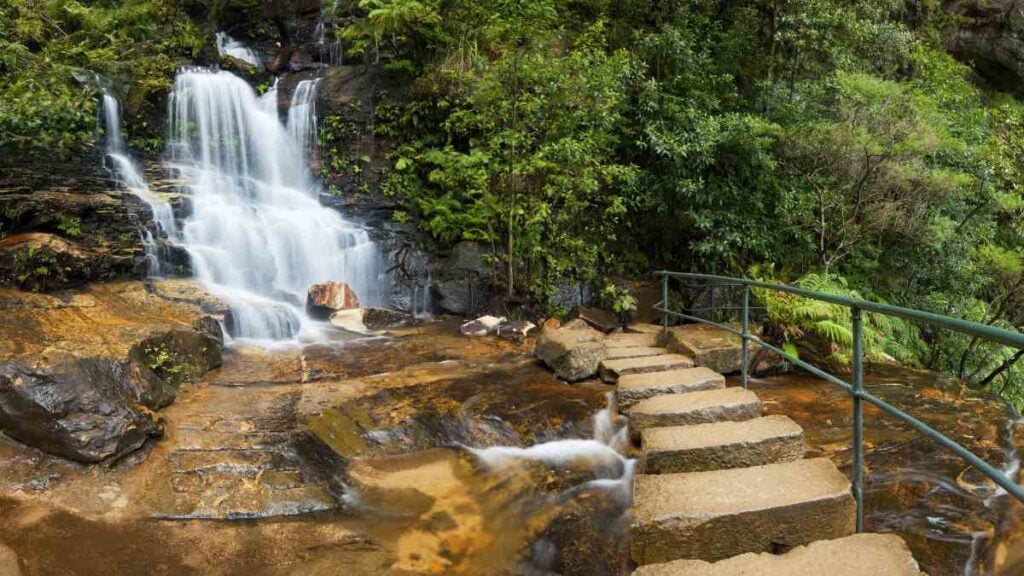
Welcome to our Jersey Gypsy column, where our resident travel reporter, Valentina, roams the globe in pursuit of stories.
After hearing a fellow hiker rave about the breathtaking beauty of Australia’s Blue Mountains, the thought of exploring its rugged wilderness never left me. This year, I finally turned that dream into reality.
Driven by curiosity and a love for the outdoors, I set out on one of the most unforgettable hiking journeys of my life. With sweeping views and the refreshing scent of eucalyptus, each step felt like part of a once-in-a-lifetime adventure.
Come along as I share top highlights and essential tips for hiking the famous Blue Mountains trails.
My Expectations of the Blue Mountains
Before my Blue Mountains hike, I already knew I was heading somewhere special. This UNESCO World Heritage–listed region is famous for dramatic sandstone cliffs, misty valleys, and waterfall-filled bushwalks—the kind of scenery you can happily spend hours exploring on foot.
Still, I wanted to be prepared. In the weeks leading up to my trip, I did what any excited hiker would do: I scrolled through endless Blue Mountains photos, read trail guides and blog posts, and watched more hiking vlogs than I’d like to admit. I also asked friends who’d done the walk before—what trails were worth it, what to pack, and what they wished they’d known.
With all that research, my expectations were sky-high. But once I hit the track, the views, the scale, and the sheer “wow” factor of the Blue Mountains somehow exceeded even the hype.
What I Did Before I Started the Hike – Plans and Packing
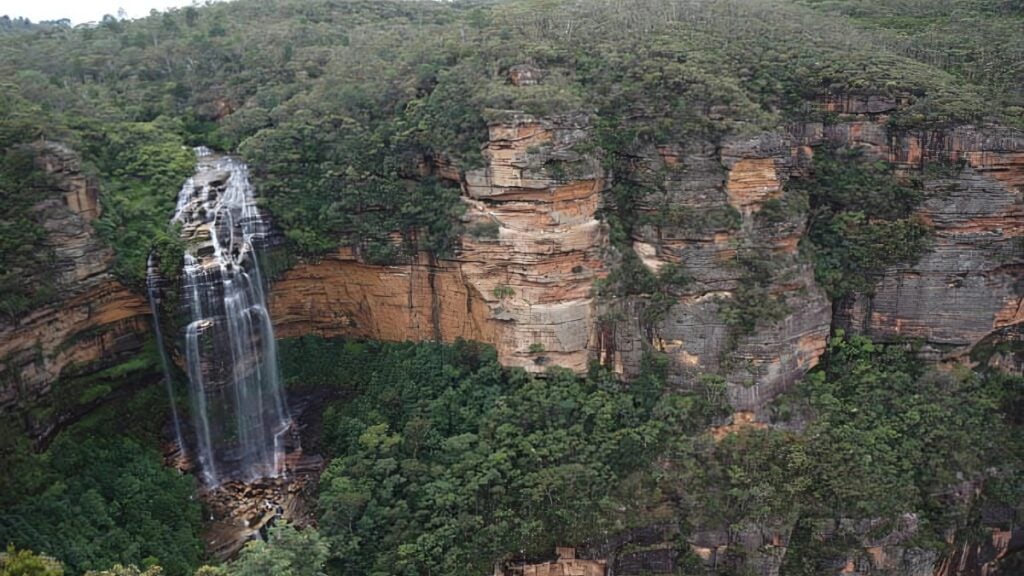
I can say I’m really good at planning my travels. But when it comes to hiking, there’s just more to consider. Safety is always a priority, for sure, so I wanted to make sure I picked a good trail.
Trails
First things first, I had to figure out which trails to tackle. The Blue Mountains have a ridiculous number of options, so I narrowed it down to a few that caught my eye:
- The Grand Canyon Track: This one seemed like the most popular because of its stunning views and a decent level of challenge. Also, canyons! Can’t say no.
- National Pass: I’ve read this is where you can get a view of the waterfalls, and it also spans throughout historical landmarks.
- Wentworth Falls Track: This one was a bit shorter, but the photos of the waterfall were mesmerizing. This might be good for a half-day hike.
In the end, I decided to take the Grand Canyon Track. It seemed like the perfect balance of challenge and beauty, and I was eager to explore its depths. After my dive into the Great Barrier Reef, I needed something far from the water.
Packing Essentials
I’ve done my fair share of hiking over the years, so I already have a good sense of what to bring. After consulting with some of my friends, I can say that these are the absolute essentials before hitting the trails:
- Sturdy Hiking Boots: These are absolutely essential. You don’t want to be halfway up a trail and worrying about your footing. Good boots are key to keeping your ankles safe on those rocky paths.
- Comfortable Clothing: I always choose cozy and lightweight layers. You never know when you might need a bit more warmth or when you’ll want to shed a layer as you heat up on the hike.
- Water – Lots of It: I can’t stress enough how important it is to stay hydrated. I always pack a large water bottle to ensure I have enough for the entire journey.
- Sunscreen and Bug Spray: The Australian sun is no joke, and neither are the bugs. It’s crucial to protect your skin from both the rays and the bites.
My Hike in the Grand Canyon Track
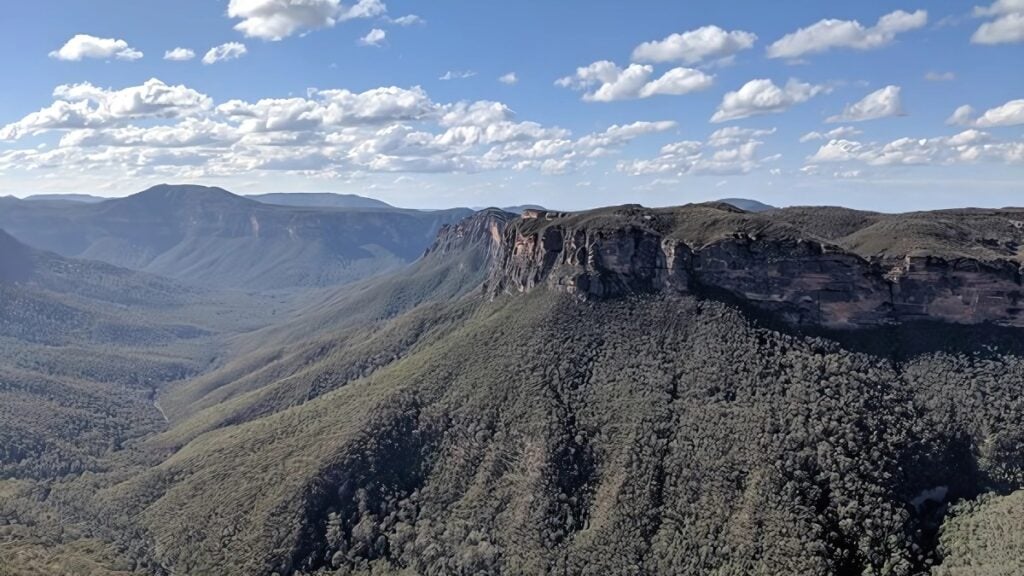
The morning of my hike started off perfectly—clear skies, crisp mountain air, and that electric feeling that makes you want to take on the world. I hit the Grand Canyon Track with a mix of excitement and curiosity, ready for whatever lay ahead.
The trail began gently, weaving through eucalyptus forest with that fresh, unmistakable scent in the air. There were some tough parts—steep climbs and rocky stairs—but the views more than made up for it. I found myself stopping often to take it all in, snap a few photos, and just enjoy the moment.
One of the most memorable spots was at the bottom of the canyon, where a crystal-clear stream flowed through a lush, fern-filled gully. I took a quiet moment there, just sitting and soaking up the peace.
All in, the hike took me about 4 hours—longer than the suggested 3—but I was in no rush. I explored every corner, took my time, and truly savored every step of this unforgettable Blue Mountains adventure.
Reflecting on this journey, I couldn’t help but recall my recent visit to Narawntapu National Park – it was another experience that I’ll cherish for life.
More Activities to Enjoy When Exploring the Blue Mountains
While hiking was definitely the highlight of my Blue Mountains adventure, there’s plenty more to see and do in the area. Here are a few things I checked out:
- Scenic World: This place is a must-visit for those iconic views. I took a ride on the Scenic Railway (the steepest passenger railway in the world!) and also hopped on the Scenic Cableway for panoramic views of the Three Sisters and Katoomba Falls.
- Jenolan Caves: These ancient limestone caves are a fascinating natural wonder. I took a guided tour and was amazed by the intricate formations. It’s a bit steep, but this also includes touring other spots of Blue Mountain. I didn’t do this one, but maybe next time.
This Is What I Learned When Hiking the Blue Mountains
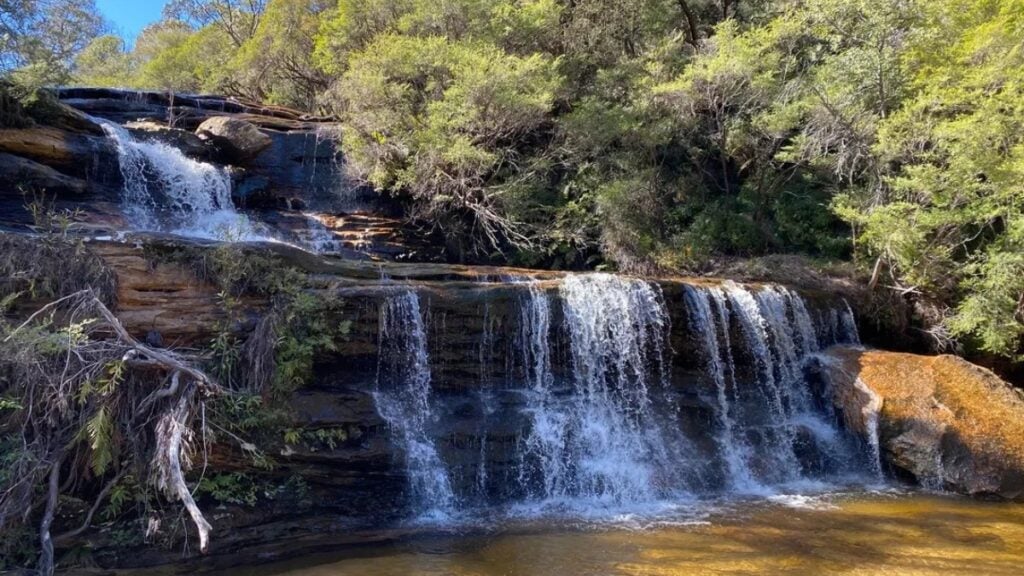
My hike through Australia’s Blue Mountains was an adventure I’ll never forget. The sweeping views, rugged trails, and almost magical atmosphere made every moment unforgettable. This journey brought me closer to nature’s beauty and left me truly inspired.
I know I’ll return. Next time, I’m set on conquering the National Pass trail, with its waterfalls, dramatic cliff-edge lookouts, and fascinating history. The Blue Mountains promise endless exploration, making them a must-visit for every hiker and nature enthusiast.
Hiking the Blue Mountains – FAQs
Before you lace up your boots, here are the most frequently asked questions about hiking the Blue Mountains.
What Is the Best Hike in the Blue Mountains?
The Grand Canyon Track is widely considered one of the best hikes in the Blue Mountains. This popular loop offers a mix of lush rainforest, dramatic cliff scenery, and a striking gorge, making it a great all-in-one trail for both views and variety.
Do I Need to Be an Experienced Hiker To Enjoy the Blue Mountains?
No. The Blue Mountains have trails for all fitness levels and experience, from short, paved lookouts to longer bushwalks. Choose a track that matches your ability, allow enough time, and take breaks as needed.
When Is the Best Time to Hike in the Blue Mountains?
You can hike year-round, but spring and autumn are usually the most comfortable seasons. These months typically bring milder temperatures and standout scenery, such as spring wildflowers and autumn color.
Are There Any Dangerous Animals in the Blue Mountains?
Venomous snakes and spiders live in the region, but encounters are uncommon—especially on well-used, marked trails. Stick to the track, watch where you step or place your hands, and avoid walking through long grass.
Where Can I Find More Information about Hiking in the Blue Mountains?
The NSW National Parks and Wildlife Service website is one of the best places to find current trail maps, safety tips, park alerts, and track closures, along with practical guidance for planning your hike.
Do You Need Hiking Boots for the Blue Mountains?
Hiking boots are strongly recommended because many trails can be steep, uneven, and slippery, especially after rain. Supportive footwear improves grip and comfort and can help reduce the risk of slips and sore feet.